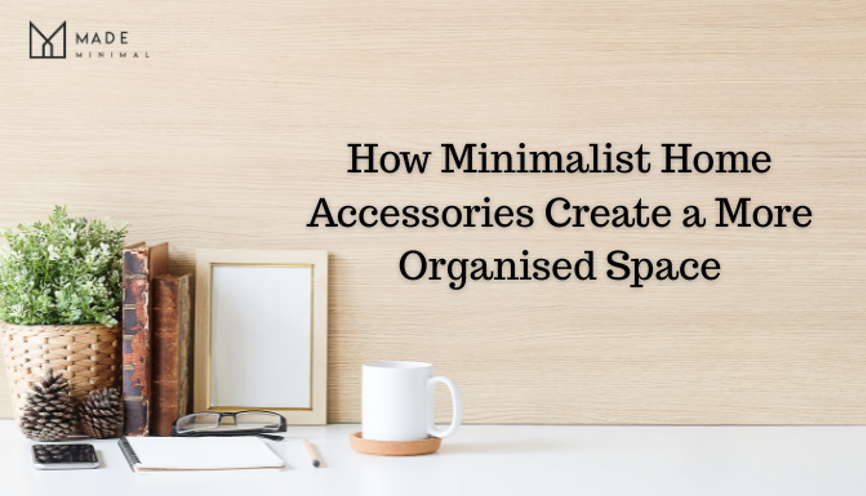
Minimal home accessories reduce clutter, create breathing room, and make everyday spaces feel naturally more organised. Honestly, a crowded house doesn’t always need a huge wardrobe or another shelf. Sometimes, the fix is simply choosing less.
With that in mind, Made Minimal has always focused on pieces earning their own place in an area rather than filling it. After all, good furniture brings a sense of order, calm, and personality to your house without demanding attention.
This article walks you through how to use simple home accessories to create a more organised, airy living environment. You’ll also find practical tips on materials, natural light, and place-by-place styling so you can start rearranging your room today.
Minimal Home Accessories and the Art of Organised Living
There is a certain point after which adding more furniture stops helping and starts working against your aesthetics. For example, a second fruit bowl, another candle holder, and one more framed print on the wall.
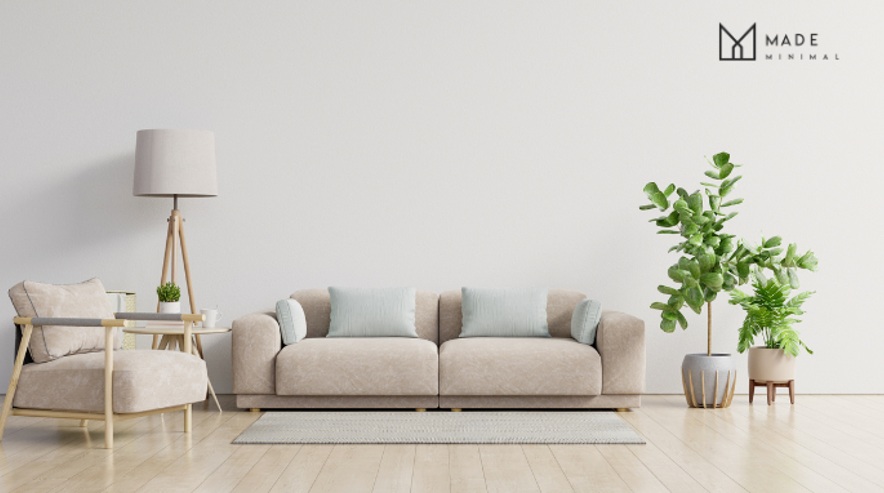
Individually, these items function well. But when you group them, they create low-level visual noise that is hard to ignore. That’s why you should sometimes step back and assess the overall composition to decide which pieces truly add value to the space.
The following two areas explain this problem more clearly:
Clean Lines and Why They Work So Well
During furniture arrangement, clean lines work so well because they remove visual interruptions, which lets a room feel settled and complete without extra decoration.
Practically, simple shapes guide the eye smoothly across a zone without pulling focus in too many directions. As a result, you stay calm and less mentally fatigued by visual noise.
Unlike heavily decorative pieces, clean-lined accessories age well because their appeal lies in form and proportion rather than trend. On top of that, sleek, clean-lined pieces work across multiple rooms without clashing, so you don’t need to buy separate furniture for each area.
Natural Materials That Add Calm to Any Room
Natural materials bring personality to a place without depending on extra colour or decorative clutter. For example, wood, stone, and linen each add warmth through texture rather than pattern or print.
From our experience styling Australian interiors, replacing synthetic accessories with natural alternatives significantly improves the room’s atmosphere. The raw materials add warmth and texture by creating a more inviting appeal. From our experience styling Australian interiors, replacing synthetic accessories with natural alternatives significantly improves a room’s atmosphere. Natural materials add warmth and texture, creating a more inviting appeal. Incorporating pergola kits into outdoor spaces can further enhance the overall design, providing a stylish and practical solution for creating shaded areas that complement the home’s natural aesthetic.
Moreover, local homes particularly benefit from organic materials as they echo the earthy tones and outdoor light already coming through the windows. For instance, rattan, raw timber, and woven linen bring warmth and texture that complement the existing light.
Minimalist Decor: What to Keep and What to Let Go
You can keep anything that serves a real purpose or carries genuine personal meaning, and let go of everything else. This idea sounds clean on paper, but sticking to it inside your own home is a different story entirely.
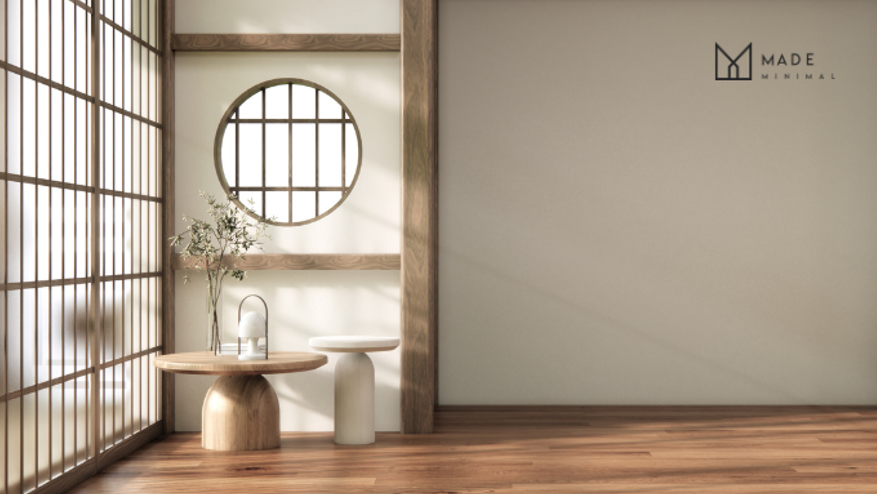
We understand letting go of decor you’ve collected over the years feels uncomfortable at first (and that’s normal). But once you remove an item, it often becomes easier to reassess the rest of your collection and decide what truly adds value to the area.
A good minimalist decor edit comes down to three honest questions you can ask about each piece in your range:
- Function Over Filler: Let the pieces fill a daily role, like a tray holding your essentials or a basket storing items you reach for often. After assigning the task, pieces without a clear job are the first candidates to declutter.
- Space to Breathe: Minimalist design works best when each piece has physical room around it. When accessories are grouped too tightly, the eye skips over all of them rather than settling on any one.
- Rotating Keeps Things Fresh: Displaying your full collection year-round flattens the visual interest of a place. Instead, swap seasonal pieces in and out to keep your home feeling considered and alive.
You don’t need to do all the changes overnight. Start with one shelf or one drawer, and the rest of the area tends to follow naturally.
With that thinking in mind, the next piece of the puzzle is understanding how natural light plays into all of this.
How Natural Light and Minimalist Home Decor Work Together
Minimalist home decor enhances organic light by keeping surfaces uncluttered. Choosing furniture and accessories that reflect light further brightens the space.
Even so, most people underestimate how much an overcrowded windowsill or an overfilled shelf actually dims a room. Sometimes, clearing even a single surface immediately brightens the interior and improves the overall feeling.
Light-toned minimalist colour on walls and furniture also allows natural light to travel. For example, white and soft neutral palettes bounce brightness across a living area by making the place look larger than its actual size.
A well-placed mirror adds another layer to the area without introducing visual clutter, as it reflects the outdoor light and effectively doubles the brightness.
From what we’ve seen, the homes seem most welcoming in photos and in person, always share one quality: unobstructed walls and surfaces that allows open lighting. So adding a warm wood accent or a stone piece to a light palette brings sophistication while keeping the space open and inviting.
Building a Minimalist Home Room by Room
Setting up a whole house at once is where most people lose momentum before they even begin. A much better approach is picking one room, finishing it, and letting that sense of progress lead you into the next.
If you’re not sure where to begin, start with the space you use most. The two things below will further guide you through every place you take on:
Small Spaces That Benefit Most from Minimal Accessories
Smaller areas show the effects of distractions more quickly, and they also seem noticeably lighter and more open when you start removing excess items.
Four settings in particular show the clearest results:
- Bathrooms and Entryways: Clutter is most visible in tight areas. So these two places deliver the quickest, most noticeable change when you keep only the essentials.
- Minimalist Bedroom: Clearing a bedside table or dresser surface creates an immediate sense of calm. In fact, a bedroom with less on show seems quieter and genuinely easier to rest in.
- Minimalist Living Room: Keep furniture scaled to the room and limit decorative items to a carefully chosen few. That alone allows the entire area to look open and balanced.
- Compact Kitchen: If you clear unnecessary items from benches, you’ll reduce visual stress and make daily cooking comfortable.
Trust us! Small spaces like these don’t need a design overhaul to look and feel different. A focused declutter of non-essential items is often all it takes.
Now that you know which rooms to focus on, it’s time to choose the right pieces to fill them.
Picking Pieces That Do More Than One Job
Accessories that serve double duty let you bring less into your home without losing functionality or style. That is the real power of minimalism: every piece earns its place, and the home seems comfortable and welcoming.
The following table covers four types of multi-functional furniture, what they do, and where they work best in a simple home:
| Accessory Type | Primary Function | Secondary Function | Best Room |
| Storage basket | Holds items out of sight | Adds texture and warmth | Living room, bedroom |
| Tray organiser | Groups small essentials | Defines a surface zone visually | Entryway, bathroom |
| Wall-mounted hook | Stores bags and coats | Keeps walls clean and purposeful | Entryway, hallway |
| Round side table | Surfaces a lamp or a drink | Doubles as a display for one statement piece | Bedroom, living room |
Simply put, choosing a carefully considered range of pieces reduces costs over time and prevents minimalist spaces from feeling empty
Many Brisbane-based retailers like Made Minimal stock indoor design accessories like wall-mounted coat hooks and drawer organisers. These pieces handle both storage and styling without taking up extra space (a tray on a bench does exactly this).
The beauty of this approach is simplicity itself. Fewer items with real functionality create a sense of sophistication and balance that a large, mismatched collection rarely achieves.
See also: Building a Business That Customers Love
Your Home, Your Rules: Start Small and See the Difference
Minimalist home decor encourages you to live with fewer items so that the things you keep can be noticed, enjoyed, and fully appreciated. This change in approach makes a home look more intentional and comfortable.
The tips in this article give you a real starting point rather than a rigid checklist. The homes that seem most considered rarely got there through a big overhaul. They just followed through with a series of small, honest edits.
If you need the right home accessories without overwhelming your place, Made Minimal is a great starting place. We offer a curated range of pieces designed to bring calm, order, and a silent sense of beauty to any room in your home.