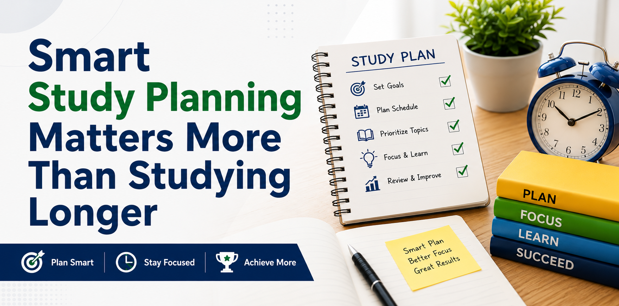
Students these days seem to be dealing with more academic pressure than ever, its like there’s always something new on the schedule. With online lectures, classroom tasks, part-time jobs, internships, and personal responsibilities all together it can start to feel like everything is too much to manage at once. A lot of students also believe that if they just study for more hours, then better marks will follow automatically, but honestly it rarely goes that way.
What really changes the outcome is studying with purpose. Students who build realistic schedules figure out their learning style and rely on solid academic resources tend to get better results than students who just spend long hours reading textbooks over and over with no clear plan or aim.
The Challenge of Modern Learning
Education has shifted a lot over the past few years. A lot of courses now mix in-person classroom instruction with digital learning platforms so it feels a bit different than before. That mix gives students more say over how they learn and yet it also asks for more self discipline almost like you have to manage yourself in the background.
If there is not a solid plan, assignments can pile up pretty fast. Those deadlines get tricky to juggle and students might find it harder to keep their drive going during the entire semester. Rather than trying to knock out everything at once you can split big tasks into smaller goals and the whole process becomes more doable and steadier.
Why Time Management Is an Academic Skill
Effective time management is one of the strongest predictors of academic success. Students who organize their workload are more likely to submit assignments on time and experience less stress during exams.
Some practical ways to improve time management include:
- Creating a weekly study schedule.
- Prioritizing urgent assignments.
- Setting realistic daily goals.
- Taking regular breaks to improve concentration.
- Reviewing class notes before each lecture.
These habits may seem simple but they help students stay consistent throughout the academic year.
Study Smarter Not Harder
Successful students do not usually lean on last-minute cramming. Rather they end up learning habits that help kind of sustain long-term understanding over time. Some folks seem to just do this naturally but mostly it is trained.
There are a few study approaches that work well: active recall spaced repetition practice questions and then summarizing complicated subjects using plain phrasing. These techniques boost memory and make review feel less like a panic sprint. Not only that, they also strengthen recall when you actually need it.
Students should also steer clear of multitasking while they study. If you turn off pointless notifications and set up a distraction-free zone your attention becomes steadier. That alone can improve focus a lot even if it sounds simple.
See also: What Support Do Health Professionals Provide for Complex Conditions?
Knowing When to Ask for Academic Support
There are times when academic pressure becomes difficult to manage. Personal responsibilities, unexpected work commitments or family emergencies can affect a student’s ability to keep up with coursework.
In these situations some students explore academic support services by searching for “take my online class for me” while they work to regain control of their schedules. The most important consideration is choosing support that aligns with their institution’s academic policies and helps them continue learning responsibly.
Seeking guidance should never replace learning. Instead students should view academic assistance as one of many resources available during particularly demanding periods.
Why Chemistry Often Feels More Challenging
Chemistry is one of those subjects that many students find kind of difficult because it blends theory, some math hands-on laboratory work and problem-solving stuff. If you miss even a few classes later topics can get noticeably harder to keep up with and it snowballs.
Unlike subjects where you mostly read and move on, chemistry wants continuous practice. Students usually have to juggle chemical equations, calculations, scientific terminology and lab concepts together at the same time, not in parts.
Making a dedicated revision timetable, doing numerical practice more often than you think you should and asking instructors for clarification can actually make a real difference. Even a little extra effort at the right moment seems to help a lot.
Finding Help for Difficult Subjects
Every student learns at a different pace, like some just get it fast with scientific concepts, while others might need more explanations, plus a bit of structured guidance, you know, step by step.
During particularly demanding semesters students sometimes search for my online chemistry class while looking for ways to manage heavy coursework and multiple academic responsibilities. Whether students choose tutoring study groups, instructor support or other academic resources the goal should always be to strengthen understanding rather than simply complete assignments.
Developing confidence in chemistry takes time, consistent effort and regular practice.
Building Habits That Last Beyond College
Academic success is not only about intelligence it is more like it grows from everyday routines that slowly improve how you learn over time.
Students who sort things out early ask a question when it is needed, keep good everyday patterns and revisit the material regularly often end up more ready for university and also for later career paths.
And yes good study habits can also sharpen communication critical thinking and problem solving skills. Those are the kind of qualities employers look for across many different industries.
Conclusion
There really is not one single formula that guarantees academic success. Every student ends up with different hurdles, different ways of learning and also their own schedule responsibilities. So the most useful move is usually to merge solid study routines, realistic planning and the right academic help when it is needed.
If students keep leaning into continuous improvement instead of trying to be perfect they can lower stress, remain organized and actually move forward over time through their whole educational journey. Small and consistent actions tend to beat those occasional bursts of intense studying even if those feel impressive in the moment.
Frequently Asked Questions
1. What is the best way to manage multiple college assignments?
Ok, so I guess start with a weekly study plan and sort the tasks by their deadlines and also how hard they seem. Try to break the bigger assignments into smaller steps, because that makes it feel easier to finish them, and it also lowers the whole stress level a bit. If you do the urgent stuff first, even with the tougher topics, it kind of keeps everything more calm.
2. Why do many students find chemistry difficult?
Chemistry kind of mixes math calculations, scientific ideas, lab work and problem solving too. If you do it often, like going back over your class notes regularly and asking questions when something feels a bit unclear, it can make it way easier to get, in a more natural sort of way.
3. Can better study habits improve academic performance?
Sure, consistent study routines actually help with effective time management too. Using active recall and doing regular revision can make students remember information for longer, and it also helps them perform better in assignments and exams. It’s kind of like repetition plus smart planning, you know, and it keeps the knowledge stickier.
4. When should students consider academic support?
Students might do better with academic support when they suddenly get pulled into personal commitments that make their workload heavier or when it becomes harder to grasp the course material. Picking trustworthy learning resources and keeping in mind the institutions academic rules can actually help students remain on track while they keep learning.
Author Bio
Kyle Bailey is an education content writer, and he focuses on student success in online learning, along with effective study strategies. He also builds practical research based articles that help college students improve time management and strengthen learning habits and even navigate academic challenges with confidence, kind of calmly.