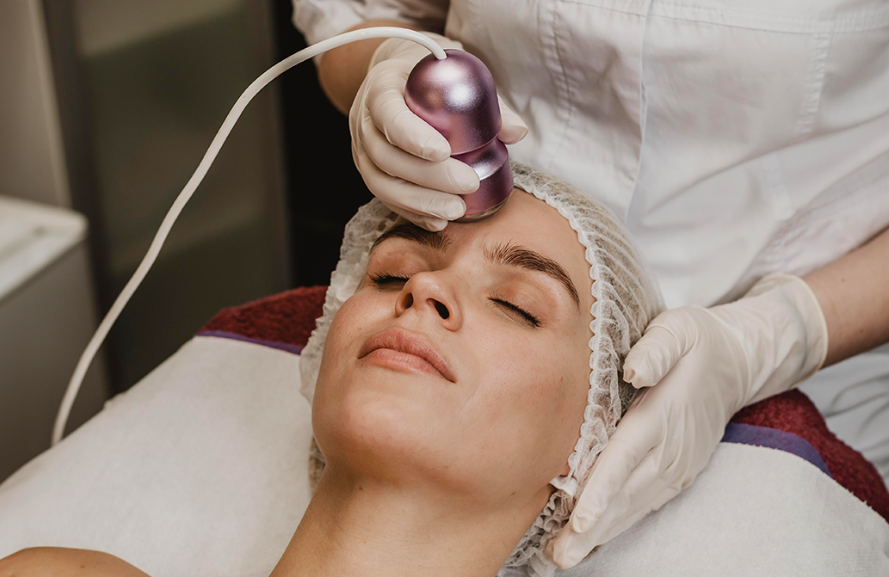
Modern beauty treatments are becoming increasingly organized around individual service plans rather than a single routine for every client. Professionals may work with different treatment areas, appointment durations, equipment settings, and client requirements throughout the day. An RF beauty machine can fit into this type of environment by providing adjustable technology that can be incorporated into professionally planned skincare sessions.
The usefulness of professional equipment depends on more than its ability to deliver energy. The way practitioners prepare a session, select the appropriate applicator, organize treatment areas, monitor the equipment, and complete post-treatment procedures can all influence how smoothly the technology fits into a beauty business.
For this reason, treatment planning is an important part of using advanced equipment. When practitioners understand the capabilities of their machine and organize their workflow accordingly, they can create a more consistent process without making every appointment feel identical.
Why Treatment Planning Matters
A professional beauty appointment usually involves several stages. The practitioner may begin with a consultation, prepare the treatment area, configure the equipment, perform the procedure, and complete the necessary cleaning and documentation afterward.
When equipment is incorporated into this process without proper planning, small delays can appear. Accessories may not be ready, settings may need repeated adjustments, or the treatment room may need unnecessary rearrangement.
Planning the session in advance allows practitioners to think about the complete workflow rather than focusing only on the machine itself.
See also: How Handheld Laser Welding Machine Technology Is Making Difficult Repair Jobs More Practical
Different Treatment Areas Require Different Approaches
The area being treated can influence how equipment is positioned and handled.
A larger treatment area may require a different movement pattern from a smaller or more precise area. The practitioner also needs to maintain appropriate contact and follow the equipment manufacturer’s recommended procedure for the specific application.
This makes applicator design particularly relevant.
Different handpieces or treatment heads may be designed for different purposes, so professionals should understand which accessories are intended for their planned services before beginning a session.
Choosing the Appropriate Applicator
The applicator is the part of the equipment that directly supports the treatment process, making its design an important consideration.
Some systems may provide multiple applicators with different shapes or configurations. Having suitable options can allow practitioners to work more comfortably across different treatment areas.
However, more accessories do not automatically mean a better workflow. Businesses should consider whether the available applicators are genuinely relevant to their services and whether staff can store, clean, and manage them properly.
A well-organized accessory system can make treatment preparation much simpler.
Building a Repeatable Session Structure
Consistency in professional services often comes from having a clear process.
Practitioners can develop internal treatment procedures based on manufacturer guidance. These procedures may cover equipment preparation, treatment-area preparation, machine configuration, applicator handling, and post-session cleaning.
A repeatable structure does not mean every client receives exactly the same treatment. Instead, it gives professionals a reliable framework that can be adapted within the appropriate operating guidelines.
This can make appointments easier to organize, particularly when several practitioners use the same equipment.
Understanding Adjustable Settings
Many professional beauty devices provide adjustable operating parameters.
These controls allow trained operators to work within the equipment’s intended range and follow the manufacturer’s treatment guidance. Understanding what each control does is therefore important before the machine is introduced into regular services.
Practitioners should avoid changing settings simply because a higher or lower value appears more attractive. Equipment should always be operated according to its instructions and professional training.
A clear understanding of the controls can make session planning more structured and predictable.
Preparing the Treatment Room
The physical environment can have a surprising effect on workflow.
Before an appointment begins, the practitioner may need access to the machine, handpiece, accessories, cleaning materials, and other treatment supplies. If these items are stored in different parts of the room, preparation can take longer.
A dedicated equipment position can make the process more efficient.
The machine should be placed where its controls are accessible and where cables do not interfere with normal movement. Accessories can also be organized so frequently used items are easy to locate.
Keeping Equipment Information Accessible
Professional equipment often comes with detailed operating information. Staff should know where to find the manufacturer’s manual, maintenance instructions, and technical information.
Keeping this documentation accessible can be particularly useful when a practitioner encounters an unfamiliar setting or accessory.
Instead of relying on assumptions, staff can refer to the appropriate documentation before making changes to the equipment.
For businesses with multiple employees, maintaining a shared equipment guide can also support more consistent operation.
Planning Around Appointment Duration
Time management is another practical consideration.
A treatment session may involve preparation and cleanup in addition to the actual equipment operation. If these stages are not considered when appointments are scheduled, one delayed session can affect the rest of the day’s timetable.
Businesses can therefore estimate the complete workflow rather than considering only the active treatment period.
This can help create more realistic appointment schedules and give practitioners enough time to prepare the equipment correctly between clients.
Creating Clear After-Treatment Procedures
The workflow does not end when the machine is switched off.
After each session, equipment and accessories may need to be cleaned, inspected, and stored according to the manufacturer’s instructions. The treatment area may also need to be prepared for the next appointment.
A clear closing procedure can help ensure these tasks are not forgotten during busy periods.
Simple checklists can be particularly useful when several practitioners share the same treatment room.
Using Equipment as Part of a Broader Service
An RF beauty machine does not necessarily need to operate as an isolated service. Depending on the business model and professional practice, RF technology may be incorporated into a broader skincare service structure.
This can allow businesses to organize their service menu around different client needs and treatment objectives while keeping equipment use within the manufacturer’s intended applications.
The important point is that every additional service should be planned carefully rather than added simply because the machine offers another setting.
Reviewing the Workflow Over Time
A treatment process that works well initially may need adjustments as a business grows.
More clients, additional practitioners, new equipment, or a larger service menu can change how treatment rooms are used.
Regularly reviewing the workflow can help businesses identify unnecessary steps. For example, accessories might be reorganized, equipment storage could be improved, or appointment timing may need adjustment.
Small operational changes can make professional equipment easier to manage without requiring major changes to the treatment environment.
Choosing Equipment Based on Real Requirements
Businesses should consider their actual treatment plans before investing in professional technology.
An RF beauty machine may offer numerous functions, but the most relevant features are those that support the services the business genuinely intends to provide.
Owners can consider treatment areas, expected usage, available accessories, room size, operator training, maintenance requirements, and supplier support.
This approach can prevent businesses from paying for unnecessary features while ensuring that important capabilities are available when required.
Final Thoughts
Professional beauty equipment becomes more useful when it is supported by a well-organized workflow. An RF beauty machine can become part of a structured treatment environment when practitioners understand its controls, select appropriate accessories, prepare the treatment area, and follow consistent operating procedures.
Good planning also extends beyond the treatment itself. Appointment timing, equipment storage, cleaning, documentation, and staff training all contribute to a smoother working environment. By considering these details together, beauty businesses can make advanced equipment easier to incorporate into everyday professional services.
FAQs
Why is treatment planning important when using RF equipment?
Planning helps practitioners organize equipment preparation, treatment steps, appointment timing, and post-treatment procedures in a consistent manner.
Do different treatment areas require different equipment settings?
Settings and procedures depend on the specific machine and its manufacturer’s instructions. Trained professionals should follow the recommended parameters for each intended application.
Why are different applicators useful?
Different applicators may be designed for particular treatment areas or applications. Their usefulness depends on the capabilities of the specific equipment.
How can salons organize shared RF equipment?
Businesses can create clear storage locations, cleaning procedures, operating guidelines, and maintenance records so multiple practitioners can use the equipment consistently.
What should businesses consider before purchasing RF equipment?
Treatment requirements, machine capabilities, applicators, room space, operator training, maintenance, supplier support, and long-term operating needs are all useful considerations.