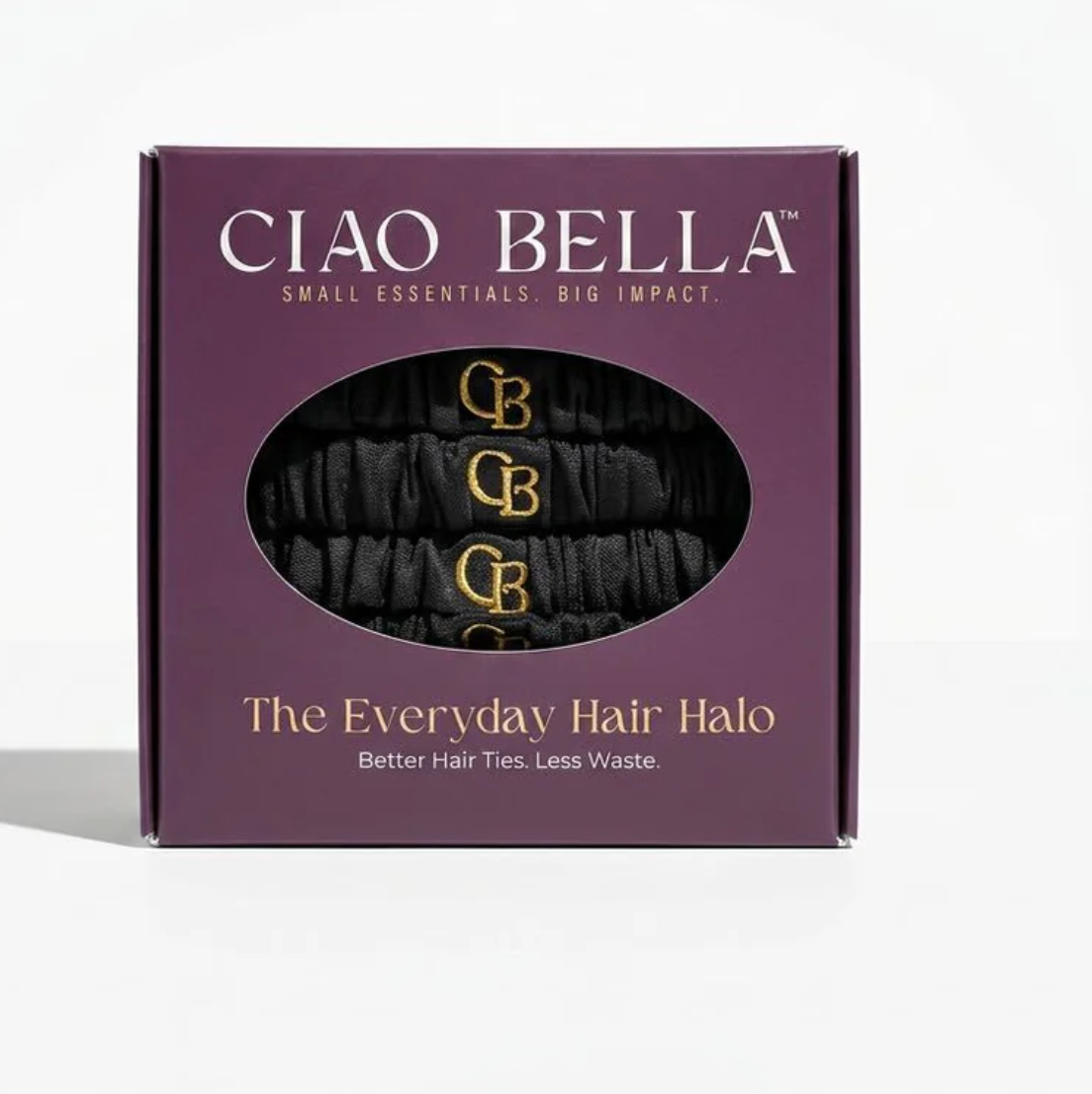
Hair ties, arguably one of the most popular hair accessories around, are part of our everyday lives and can go unnoticed in its simplicity, but in the right hands, they’re essential for everything from securing work hairstyles to taming frizz during a workout. In the world of style, not to mention practicality and hair health, things that once seem pretty standard have evolved.
Gone are the days when just holding hair back would suffice, with a whole variety of modern hair ties designed to look great while being kind to hair. In fact, hair ties for women now encompass materials and trends that focus on the wellbeing of both hair and the environment, not to mention comfort and long-term wear and tear.
More than we realize, our hair accessories matter and the growing market of ‘hair-friendly’ or ‘eco-conscious’ options suggests it’s a market that is only going to continue growing.
Why Hair Ties Matter More Than People Realize
Hair ties for women may not come across as important as our hairstyles, but believe it or not, they can have an effect. Repeated wear of ill-fitting hair ties can lead to uncomfortable tightness around your head, split ends, broken strands and even scalp sensitivity.
The kind of standard elastics you buy from any supermarket are more likely to contain plastic or tight stitching, all of which tend to snag and tug the hairs, making them more brittle.
Because these hair ties essentially spend the entire time resting in our hair when we opt to wear a pony, bun or braid, it can actually start to have a lasting impact if you’re consistently using poorly made versions.
It is precisely these negative effects that, nowadays at least, people are paying a whole lot more attention to as it comes to their hair accessories and, indeed, their general hair care routine.
See also: What Support Do Health Professionals Provide for Complex Conditions?
The Growing Focus on Comfort
Comfort is one of the most significant factors driving innovation in modern hair ties. Many women wear hair ties throughout the day, sometimes for several hours at a time. An uncomfortable accessory can cause scalp tension, headaches, or irritation.
Modern designs aim to provide a secure hold without excessive tightness. Softer materials and more flexible construction allow hair ties to stay in place while reducing pressure on the scalp. This balance is particularly important for individuals with sensitive scalps or those who frequently wear their hair tied back.
Comfort also influences how easily hair ties can be removed. Hair accessories that slide out smoothly help reduce pulling and minimize unnecessary stress on hair strands.
For many women, the ideal hair tie is one that feels almost unnoticeable while still keeping hairstyles secure throughout daily activities.
Protecting Hair From Damage
Hair health has become a major focus in the beauty and personal care industry. Consumers are increasingly aware of the factors that contribute to breakage, split ends, and hair thinning. While styling tools and chemical treatments often receive attention, hair accessories can also affect overall hair condition.
Modern hair ties are designed to minimize friction and reduce strain on individual strands. Softer materials help lower the risk of snagging and pulling, which can contribute to hair breakage over time.
Many women also prefer accessories that avoid creating deep creases after prolonged wear. Crease-free designs make it easier to transition between tied and loose hairstyles without needing to restyle the hair completely.
The focus on gentle hair care reflects a broader movement toward preventative beauty practices. Rather than addressing damage after it occurs, many consumers now seek products that help avoid unnecessary stress on the hair in the first place.
Style Has Become Equally Important
Hair ties are no longer viewed solely as functional accessories. They have become part of personal style and everyday fashion choices. Many women want hair accessories that complement their outfits and overall appearance rather than simply serving a practical purpose.
Modern hair ties are available in a variety of colors, textures, and designs that allow users to coordinate them with different looks. Some are intentionally subtle and minimalist, while others are designed to make a fashion statement.
This combination of style and functionality has made hair ties more versatile than ever. A single accessory may be used at the gym, in the office, during social events, or while travelling.
As fashion and practicality continue to overlap, consumers increasingly expect everyday accessories to perform well while also looking appealing.
The Rise of Sustainable Materials
Sustainability is becoming an important consideration across many product categories, including personal accessories. Traditional hair ties often rely on plastic-based materials that contribute to long-term environmental waste.
Modern alternatives are increasingly exploring natural and plant-based materials as a way to reduce reliance on plastics. Some newer hair ties use fibers derived from renewable sources such as pineapple leaves, offering an alternative approach to accessory manufacturing.
The interest in sustainable materials reflects changing consumer priorities. Many shoppers now evaluate products not only for performance and appearance but also for their environmental impact.
Choosing products made from renewable or lower-impact materials allows consumers to align everyday purchasing decisions with broader sustainability goals.
Durability Remains Essential
While comfort, style, and sustainability are important, durability remains a key requirement for any hair accessory. A hair tie that loses elasticity quickly or breaks after limited use creates inconvenience and waste.
Modern hair tie designs increasingly focus on maintaining shape and performance through repeated use. Strong yet flexible construction helps ensure that accessories continue providing reliable hold over time.
Durability also contributes to sustainability. Products that last longer reduce the need for frequent replacement, helping minimize consumption and waste.
Consumers today often expect products to balance longevity with comfort and environmental responsibility rather than sacrificing one quality for another.
Meeting the Needs of Different Hair Types
Not all hair is the same, and modern hair accessories are increasingly designed with this reality in mind. Hair thickness, texture, length, and styling preferences vary significantly from person to person.
A hair tie that works well for fine hair may not perform the same way for thick, curly, or textured hair. Modern designs aim to accommodate a wider range of hair types while maintaining comfort and minimizing damage.
This emphasis on versatility has helped broaden the appeal of newer hair tie designs. Rather than focusing on a single use case, many products are now intended to work across different lifestyles and hair care routines.
As personalization becomes increasingly important in beauty and personal care, flexibility and adaptability remain valuable features.
Reflecting Broader Consumer Trends
The evolution of hair ties mirrors larger changes taking place across many consumer markets. People are increasingly looking for products that combine performance, wellbeing, aesthetics, and sustainability.
Consumers no longer view everyday accessories as purely functional purchases. Instead, they expect thoughtful design that addresses multiple needs simultaneously. Hair ties are a good example of how even simple products can evolve to reflect changing priorities.
The demand for comfort, healthier hair care practices, environmentally conscious materials, and versatile styling options has encouraged innovation within a category that was once considered basic and unchanging.
This trend is likely to continue as consumers become more informed about both personal care and environmental issues.
Final Thoughts
Modern hair ties for women have evolved far beyond their original purpose of simply holding hair in place. Today, they are expected to balance comfort, style, durability, sustainability, and hair health in a single accessory.
By reducing tension, minimizing breakage, supporting comfortable wear, and incorporating more environmentally conscious materials, modern hair ties reflect a growing understanding of what consumers truly value in everyday products. They demonstrate how small design improvements can have a meaningful impact on daily routines and long-term hair care.
As women continue seeking products that combine practicality with personal wellbeing, modern hair ties are likely to remain an important example of how everyday accessories can adapt to changing lifestyles, preferences, and expectations.