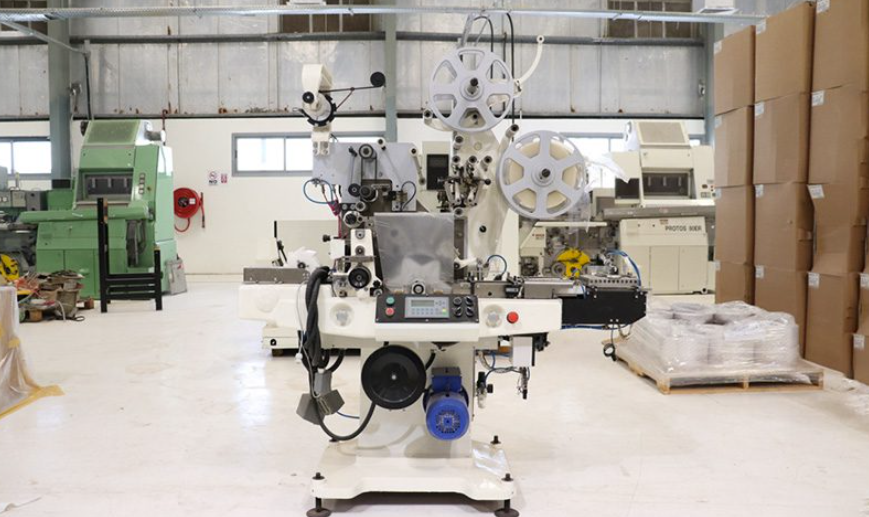
A packaging machine does not operate alone. Its performance depends on how well it fits into the wider production environment, including material supply, operator access, storage, inspection, maintenance, and the movement of finished products. For manufacturers working with high packaging volumes, choosing equipment that fits the entire facility can be just as important as looking at machine speed.
A tobacco packing machine can form an important part of this planning process. Instead of viewing the equipment as a single production unit, manufacturers can consider how it connects with the stages before and after packaging. A well-organized setup can make daily operations easier to manage while reducing unnecessary movement and interruptions.
Facility planning also becomes important when production requirements change. New package formats, higher output targets, additional equipment, or changes in material supply can affect the way packaging machinery is used. Thinking about these factors early can help businesses create a packaging area that remains practical over time.
Starting With the Available Production Space
Floor space is often limited in manufacturing facilities. Packaging equipment therefore needs to be positioned carefully rather than simply placed wherever an empty area is available.
The machine requires enough space for operation, product feeding, packaging material access, finished product removal, cleaning, inspection, and maintenance. Crowding equipment too closely together can make routine activities more difficult.
Before installation, manufacturers can map the movement of products and employees around the packaging area. This can reveal whether workers will need to cross the same paths repeatedly or whether materials will have to travel unnecessarily long distances.
See also: Restaurant Kiosk Technology: How Self-Ordering Is Transforming the Dining Experience
Planning the Flow of Materials
Packaging materials need to reach the machine without creating interruptions. Depending on the production setup, this may involve film, paper, cartons, labels, or other packaging components.
A practical material flow begins with organized storage and continues through preparation, machine feeding, and finished-package handling. Materials that are difficult to access can create delays even when the packaging machine itself is operating correctly.
Keeping frequently used materials within a practical working area can make replenishment easier while maintaining a clean and organized production environment.
Leaving Room for Maintenance Work
Maintenance access is one of the details that can be overlooked during installation. A machine may fit perfectly into a particular space but still be difficult to service once surrounding equipment and storage areas are added.
Technicians may need access to motors, electrical components, sensors, sealing mechanisms, conveyors, or other machine parts. Adequate clearance can make inspections and repairs easier.
Planning this space from the beginning can also reduce disruption when maintenance is required because technicians do not have to move unrelated equipment simply to reach a service point.
Designing Around Operator Movement
Automation does not eliminate the need for people. Operators still interact with packaging equipment during setup, monitoring, material changes, inspections, and troubleshooting.
The controls should therefore be positioned where operators can access them safely and conveniently. Frequently performed tasks should not require unnecessary walking or awkward movement.
An operator-friendly layout can make routine work more manageable and can also help employees respond quickly when the machine requires attention.
Considering Product Changeovers
Manufacturers may package different product variations or formats during the same working period. Changing from one format to another can require adjustments to machine settings, packaging materials, or product positioning.
The surrounding workspace can influence how efficiently these changes are completed. Replacement materials, tools, and approved packaging components should be organized so that operators can access them without creating confusion.
A clearly defined changeover procedure can also help reduce errors when production moves from one format to another.
Connecting Packaging With Previous Production Stages
A packaging machine receives products from somewhere. If the previous production stage delivers items inconsistently, the packaging line may struggle even when its own equipment is functioning correctly.
Manufacturers can therefore examine the connection between production and packaging. Product orientation, feeding speed, quantity, and temporary storage all influence the packaging process.
A balanced workflow helps prevent situations where the packaging machine is waiting for products or receiving them faster than it can process them.
Managing Finished Packages After Sealing
The packaging process does not end when the package leaves the machine. Finished units may need inspection, secondary packing, carton preparation, palletizing, storage, or transportation.
There should be a clear path for completed packages to move toward the next stage. If finished products accumulate beside the machine, the packaging area can quickly become crowded.
A designated output area can help production teams maintain better organization and make it easier to identify completed batches.
Keeping Inspection Close to Production
Quality inspection is more useful when problems can be identified close to the point where they occur. If packaged products travel through several stages before being checked, a packaging issue may affect a larger quantity before anyone notices it.
An inspection point near the packaging machine can allow operators to examine package appearance, sealing, alignment, and other relevant requirements.
The exact inspection process depends on the product and production standards, but the general principle remains the same: detect problems as early as practical.
Managing Packaging Materials Responsibly
Packaging operations generate material waste when film, paper, labels, or other components are damaged or incorrectly used. Good facility organization can help reduce avoidable waste.
Materials should be stored in suitable conditions and protected from unnecessary damage. Operators should also have clear procedures for handling unused materials during changeovers.
Monitoring material usage can provide additional information about whether packaging settings and production practices are working efficiently.
Planning for Cleaning and Workplace Organization
A packaging area should be designed with routine cleaning in mind. Dust, material fragments, packaging scraps, and general production debris can accumulate around machinery.
Equipment that is difficult to access can make cleaning more time-consuming. Providing suitable working space around the machine can make routine housekeeping easier.
Organized storage also helps prevent packaging materials and tools from occupying areas intended for employee movement or machine servicing.
Preparing for Equipment Expansion
Production requirements may increase over time. A company may eventually need an additional packaging machine, a faster conveyor, automated inspection, or another supporting system.
If the original facility layout leaves no room for expansion, future upgrades can become expensive and disruptive.
Manufacturers can therefore consider possible growth when planning the initial packaging area. Leaving practical expansion space does not guarantee that future equipment will fit, but it can provide more flexibility when requirements change.
Evaluating Utility Requirements
Packaging equipment may require electrical connections and other facility services depending on its design. These requirements should be reviewed before installation rather than discovered after the machine arrives.
The location of power connections, control systems, ventilation requirements where applicable, and other supporting services can influence where the equipment should be installed.
Early planning can help avoid unnecessary modifications to the production area.
Training Employees Around the Complete Workflow
Operators should understand more than the machine controls. They should also know how products enter the packaging area, where materials are stored, what happens after packaging, and how to respond to common operating issues.
This broader understanding helps employees see how their work affects the rest of the production line.
Training can cover setup procedures, material replacement, routine inspections, safe operation, cleaning, and escalation procedures when technical assistance is required.
Reviewing the Setup Before Full Production
Before running at full capacity, manufacturers can conduct a controlled trial of the packaging area. This allows teams to observe product movement, material replenishment, operator access, machine output, and finished-package handling.
Small layout problems are usually easier to address before production reaches full scale. A trial can also reveal whether storage areas, inspection points, and maintenance access are positioned appropriately.
This step can turn facility planning from a theoretical exercise into a practical evaluation.
Final Thoughts
A packaging machine delivers the best results when the surrounding production environment supports it. Space, material flow, operator movement, maintenance access, product feeding, inspection, and finished-package handling all influence how effectively a packaging system operates.
A tobacco packing machine should therefore be considered as part of a complete manufacturing layout rather than as an isolated piece of equipment. Proper planning can make everyday tasks more organized and provide greater flexibility when production requirements change.
For manufacturers preparing or upgrading a packaging facility, tobacco packing machine selection is only one part of the decision. The bigger objective is to create a practical workflow in which equipment, employees, materials, and finished products can move through the facility in a controlled and efficient manner.
FAQs
What should be considered when installing a tobacco packing machine?
Manufacturers can consider available floor space, product flow, material storage, operator access, maintenance clearance, utilities, inspection areas, and the movement of finished packages.
Why is machine placement important?
The position of the machine affects how easily products, materials, employees, and finished packages can move through the production area.
How much maintenance space is needed?
The required clearance depends on the specific machine design. Manufacturers should follow the equipment supplier’s installation and service requirements.
Can packaging equipment be integrated with other production machinery?
Yes, depending on the equipment configuration. Packaging systems can be arranged alongside feeding, inspection, conveying, or other compatible production stages.
Why should businesses plan for future expansion?
Production volumes and packaging requirements can change. Allowing reasonable flexibility in the original layout can make future modifications easier.
How can operators help maintain an efficient packaging workflow?
Operators can follow established procedures for machine setup, material changes, inspection, cleaning, and reporting technical issues while keeping the surrounding workspace organized.