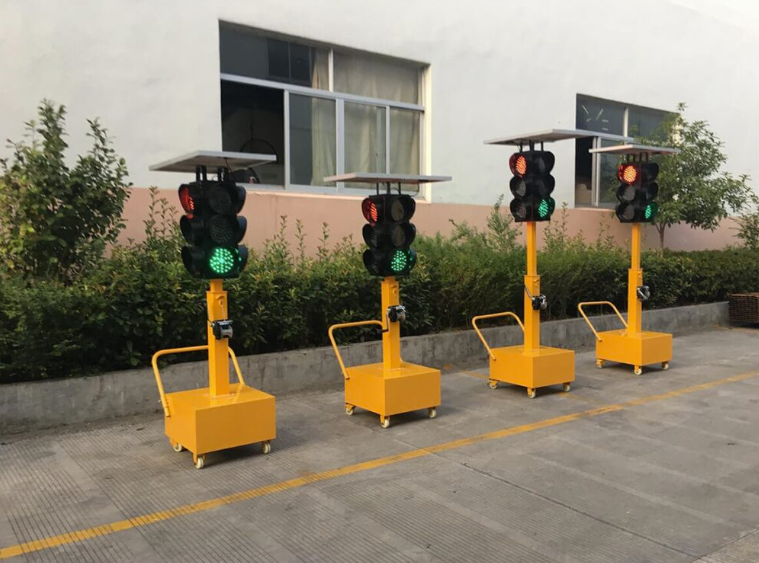
Traffic control infrastructure is often developed over many years, with different projects adding new equipment as roads, facilities, and operational requirements change. Over time, this can result in a mixture of signal sizes, housings, mounting arrangements, and replacement components. Creating a more consistent equipment strategy can make future upgrades and servicing easier. A 300MM traffic light two aspect can be considered within this type of structured approach when a two-state signal arrangement is suitable for the application.
Standardization does not mean that every traffic location needs identical equipment. Instead, it involves selecting compatible components and establishing clear specifications for similar installations. This can reduce unnecessary variation while allowing engineers to choose equipment according to the actual requirements of each controlled movement.
The 300mm format also gives project planners a defined signal size around which mounting structures, replacement strategies, and installation specifications can be organized. When the signal design is considered as part of a wider infrastructure plan, it can contribute to a more manageable equipment portfolio.
The Importance of Standardized Signal Equipment
Large traffic networks can contain hundreds or even thousands of signal units. If every location uses different components, maintaining the network can become increasingly complicated.
A standardized equipment strategy can simplify the process of identifying replacement parts and understanding the specifications used at different locations. Maintenance teams can work from established documentation instead of dealing with an entirely different equipment configuration at every site.
This approach can be particularly useful during phased modernization projects. Existing infrastructure does not always need to be replaced all at once. A project can establish a standard specification and gradually apply it as individual signal installations require upgrading.
See also: Restaurant Kiosk Technology: How Self-Ordering Is Transforming the Dining Experience
Creating Consistent Specifications
A signal specification can cover much more than its physical diameter. Project teams may define requirements for housing construction, optical components, electrical connections, mounting arrangements, environmental protection, and compatibility with existing controllers.
Once these requirements are documented, procurement teams have a clearer basis for evaluating equipment from different suppliers.
Consistency also helps when projects involve multiple contractors. Instead of allowing every installation team to interpret requirements differently, a defined specification can provide a common technical reference.
The result is a more organized infrastructure portfolio where similar applications are equipped according to the same underlying standards.
Managing Replacement Across Multiple Locations
One of the practical advantages of standardization appears when equipment reaches the end of its useful service period.
Suppose several controlled locations use unrelated signal models. A maintenance department may need to stock different housings, lenses, electronic components, brackets, and connectors for each installation.
A more consistent equipment strategy can reduce this complexity. When compatible equipment is used across multiple locations, replacement planning can become easier and inventory requirements may be more predictable.
This does not eliminate the need for application-specific components, but it can reduce unnecessary variation between installations.
Supporting Maintenance Teams
Maintenance work becomes more efficient when technicians can quickly understand what equipment they are dealing with.
Clear labeling and standardized records can identify the signal model, installation location, associated controller, mounting arrangement, and relevant replacement components. These details can be stored within an asset-management system or maintenance database.
When a fault is reported, the technician can review the equipment history before visiting the location. This can help determine what tools and replacement components may be needed for the service visit.
Over time, these records can create a useful history of how individual signal installations have performed.
Building a Practical Asset Register
A traffic infrastructure asset register can include basic information about every signal installation. For a large network, this becomes especially useful when equipment is distributed across different roads, intersections, or controlled facilities.
A useful record might include:
- Signal type and size
- Number of aspects
- Installation location
- Installation date
- Controller association
- Mounting arrangement
- Manufacturer information
- Replacement history
- Inspection records
- Relevant spare components
Keeping this information updated can support both routine maintenance and future infrastructure planning.
Avoiding Unnecessary Equipment Variation
Equipment variation is not always a problem. Different locations may genuinely require different solutions. The challenge occurs when variations are introduced without a clear technical reason.
For example, two installations with similar operating requirements may use completely different signal housings simply because they were purchased during separate projects.
A standardization program can identify these differences and determine whether they are necessary. Where there is no meaningful reason for variation, future projects can move toward a common specification.
This can gradually create a more coherent traffic signal network.
Procurement Becomes More Structured
Standardized specifications can also change how procurement teams approach traffic signal equipment.
Instead of evaluating every product from scratch, buyers can establish technical requirements before requesting quotations. Suppliers can then be assessed against the same criteria.
This can make comparisons more straightforward because the purchasing team is not simply comparing product descriptions. They are checking whether each proposed unit meets the project’s established requirements.
For large infrastructure programs, this can help create consistency between different procurement rounds.
Considering Future Availability
Infrastructure equipment may remain in service for many years. A product that is readily available today may eventually be replaced by a newer generation or discontinued completely.
This makes future component availability worth considering during project planning.
Selecting equipment with a sensible replacement strategy can help reduce problems later. Project documentation should identify compatible alternatives where appropriate and record important specifications that future replacement teams may need.
The goal is to avoid situations where a relatively simple signal replacement becomes difficult because nobody knows the original technical requirements.
Supporting Phased Modernization
Traffic infrastructure is rarely upgraded everywhere at the same time. Budgets, roadworks, operational priorities, and construction schedules can all influence when individual locations are modernized.
A consistent signal specification can support this phased approach.
One project might replace equipment along a single road corridor, while another later updates a different section of the network. If both projects follow compatible specifications, the overall system can gradually become more standardized without requiring a complete network replacement.
This approach can be particularly practical for organizations managing long-term infrastructure programs.
Documentation During Installation
Standardization is most useful when the installed equipment actually matches the documented specification.
Installation teams should therefore maintain accurate records during commissioning. Any approved deviations should be recorded rather than left undocumented.
Photographs, equipment identification numbers, wiring information, and installation notes can provide useful references for future maintenance.
Good documentation also helps distinguish between the original design and later modifications. This becomes increasingly valuable as an installation ages.
Designing for Different Operating Environments
Standardization should not ignore environmental differences.
A signal installed in an exposed roadside environment may experience different conditions from equipment installed inside a controlled industrial facility. Temperature, moisture, dust, corrosion, and physical exposure can vary considerably between locations.
A common equipment family may still be used, but environmental specifications may need to be adjusted according to the installation site.
This is where a structured standardization strategy becomes more useful than simply purchasing the same product everywhere. The objective is consistency where practical while still respecting real operating conditions.
Improving Inventory Planning
Spare-parts management can become a significant consideration when a traffic authority or facility operator maintains a large number of signal installations.
Using compatible equipment across multiple locations can make it easier to determine which replacement components should be kept in stock.
Inventory teams can analyze equipment usage and service history to identify commonly required components. Over time, this information can help refine spare-part quantities and reduce unnecessary stock.
A clear connection between the asset register and inventory system can make this process even more organized.
Reviewing the Standard Periodically
A standard should not remain unchanged forever.
Traffic technology, manufacturing practices, environmental requirements, and infrastructure needs can evolve. Periodic reviews allow organizations to determine whether their current signal specifications still meet operational requirements.
These reviews can consider equipment reliability, service history, supplier availability, replacement costs, installation experience, and feedback from maintenance teams.
Instead of changing specifications whenever a new product appears, organizations can use structured reviews to determine when an actual update is justified.
Final Thoughts
Traffic signal standardization is ultimately about creating a manageable infrastructure system rather than simply selecting identical products. A 300MM traffic light two aspect can become part of that strategy when its configuration and physical format match the requirements of a particular application.
Consistent specifications can help maintenance teams, procurement departments, installation contractors, and asset managers work from a common technical framework. Accurate records and sensible replacement planning can further support the system as it develops over time.
The long-term value of a 300MM traffic light two aspect installation therefore depends not only on the signal itself but also on how effectively it fits into the wider equipment strategy. When technical requirements, documentation, inventory, environmental conditions, and future modernization are considered together, traffic infrastructure can become easier to manage throughout its service life.
FAQs
What does two aspect mean in a traffic signal?
Two aspect refers to a signal arrangement containing two distinct signal indications. Whether this configuration is appropriate depends on the specific traffic-control application.
Why can standardization be useful for traffic infrastructure?
Standardization can reduce unnecessary equipment variation, simplify documentation, support spare-parts planning, and make maintenance procedures more consistent.
What information should be included in a traffic signal asset register?
Records can include the signal type, size, location, installation date, controller association, manufacturer details, mounting arrangement, service history, and replacement information.
Does standardization mean every signal must use the same equipment?
No. Different operating environments and traffic-control requirements may require different specifications. Standardization is generally about reducing unnecessary variation while preserving application-specific requirements.
How can standardized equipment support future upgrades?
A consistent equipment strategy can make phased modernization easier because new projects can follow established specifications while older installations are gradually replaced.
Why should traffic signal standards be reviewed?
Periodic reviews allow organizations to consider changes in technology, availability, service history, environmental requirements, and long-term infrastructure needs.