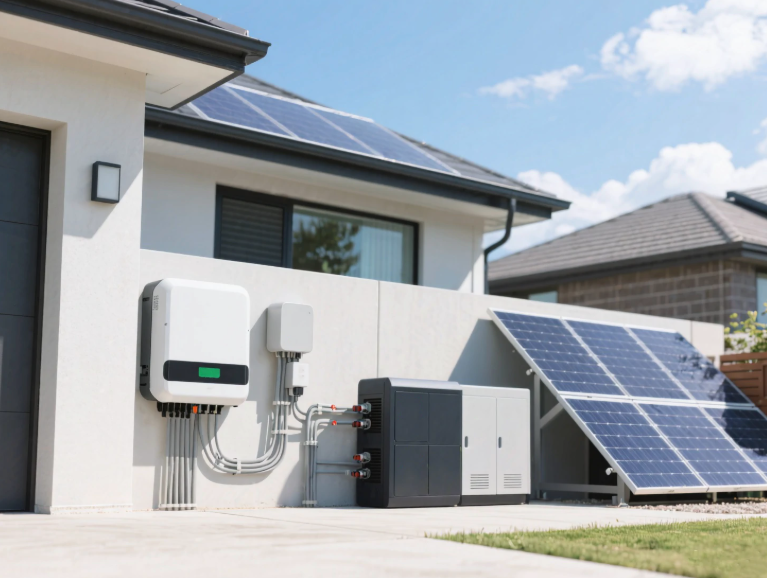
Energy independence is often described as simply producing electricity without relying heavily on the conventional grid. In practice, however, creating a reliable independent power system involves much more than installing solar panels on a roof. Solar energy is naturally variable, household electricity demand changes throughout the day, and essential appliances may need power even when sunlight is unavailable. The way these different elements work together determines whether a solar setup feels dependable or becomes difficult to manage.
This is where an off-grid solar inverter becomes an important part of the overall energy system. Instead of treating solar generation as the only consideration, an inverter helps coordinate the electricity produced by renewable sources with the requirements of household appliances and stored energy. It sits at the center of a system designed to operate independently from the utility grid, making its role closely connected with how electricity is generated, converted, stored, and consumed.
The growing interest in independent energy systems is also changing how people approach solar planning. Rather than focusing only on the number of panels installed, homeowners are increasingly considering daily consumption patterns, battery capacity, peak loads, backup requirements, and future electricity needs. A well-designed off-grid system therefore begins with understanding the complete energy cycle rather than selecting individual components in isolation.
Understanding the Role of an Independent Power System
An off-grid solar installation needs to perform several jobs at the same time. Solar panels generate electricity when sunlight is available, batteries store energy for later use, and household appliances consume power according to their own schedules. Because these activities rarely happen in perfect balance, the system needs equipment capable of managing changing electrical conditions.
The inverter provides an important connection between these different parts. Solar panels and batteries operate using direct current, while many household appliances are designed to use alternating current. The inverter converts electricity into a usable form while also helping the system respond to changing demand. This means its importance extends beyond simple power conversion.
A properly planned independent system also needs to account for periods when solar production falls. Cloudy weather, shorter winter days, and nighttime consumption can all change the balance between generation and demand. Battery storage can provide energy during these periods, but the inverter remains an important part of managing how stored energy reaches the household loads.
See also: How a hollow anchor bar Supports Flexible Ground Reinforcement in Modern Construction
Why Household Energy Patterns Matter More Than Panel Count
A common mistake in solar planning is concentrating heavily on the amount of solar generation without first understanding how electricity is actually consumed. Two homes with similar floor areas can have completely different energy requirements because of differences in appliances, working schedules, heating systems, cooling requirements, and lifestyle.
For example, a household that uses high-power appliances during the evening may need considerably more battery storage than a property where most electricity consumption occurs during daylight hours. Similarly, a home that relies on electric water heating or air conditioning may experience short periods of particularly high demand.
Understanding these patterns allows the system to be designed around real usage instead of theoretical production. Daily energy consumption determines how much stored electricity may be required, while peak demand influences the inverter’s ability to handle multiple appliances operating simultaneously.
This is one reason energy audits can be valuable before installation. Reviewing historical electricity consumption, identifying major appliances, and estimating future loads can provide a much clearer picture of what an independent solar system actually needs.
The Relationship Between Solar Generation and Battery Storage
Solar panels can produce substantial electricity during suitable daylight conditions, but generation naturally changes throughout the day. Production normally rises after sunrise, reaches stronger levels around the middle portion of the day, and decreases toward evening.
Household demand does not necessarily follow the same pattern. People may use relatively little electricity while away from home and then consume more when they return. Cooking, lighting, entertainment systems, and cooling equipment can increase evening demand precisely when solar generation is declining.
Battery storage helps bridge this difference. Excess electricity generated during periods of strong solar production can be stored and later used when panels are producing less. The inverter helps coordinate this movement of energy between generation, storage, and household loads.
The relationship is therefore more important than the size of any individual component. Oversized solar generation without adequate storage may leave energy unused, while excessive battery capacity without sufficient generation may make it difficult to recharge the batteries consistently.
Managing High Demand Without the Grid
One of the biggest differences between an independent solar system and a grid-connected installation is the absence of an external electricity source that can instantly supply additional power. When demand suddenly increases, the system has to handle that requirement using its own available resources.
This makes peak power an important consideration when selecting an inverter. A home may have moderate average electricity consumption but still require substantial short-term power when appliances such as pumps, refrigerators, air conditioners, or other motor-driven equipment start operating.
The inverter therefore needs to be matched with both normal consumption and demanding operating conditions. Looking only at average daily energy use can overlook these short periods of high electrical demand.
Load management can also improve system performance. Some appliances can be scheduled during periods of strong solar production, while others may be limited when battery reserves are low. This approach reduces unnecessary pressure on the system and can help extend the useful availability of stored energy.
Designing Around Weather and Seasonal Changes
An off-grid solar system has to work through changing environmental conditions rather than only during ideal sunny days. Seasonal differences can significantly affect solar production, particularly in locations where winter brings shorter daylight hours or frequent cloudy conditions.
This makes system sizing more complicated than simply calculating average annual solar generation. A system that performs comfortably during sunny months may experience greater pressure during extended periods of weak solar production.
Battery reserves, panel capacity, inverter characteristics, and household consumption all become part of the same planning equation. Some homeowners may choose to reduce discretionary electricity consumption during periods of low generation, while others may include additional generation or backup sources within their broader energy strategy.
Monitoring can make these seasonal differences easier to understand. Tracking solar production, battery levels, and household consumption over time provides useful information about how the system behaves under different conditions. That information can also help identify inefficient habits or unexpected energy loads.
Reliability Depends on More Than Hardware
Solar equipment can be technically advanced, but system reliability also depends heavily on installation quality and ongoing maintenance. Electrical connections, ventilation, battery conditions, protection equipment, and environmental factors can all influence performance.
Inverters may generate heat during operation, making appropriate installation conditions important. Dust, moisture, extreme temperatures, and restricted airflow can also affect equipment depending on where the system is installed.
Regular monitoring provides another layer of protection. Unexpected changes in battery behavior, solar production, or household consumption can sometimes reveal a problem before it becomes a major interruption.
This is particularly important for homes that depend heavily on independent electricity. When there is no utility connection available as an immediate backup, preventative maintenance becomes part of everyday energy planning rather than an occasional technical task.
Planning for Future Electricity Needs
Energy requirements rarely remain completely unchanged for many years. A household may eventually add another refrigerator, install an electric vehicle charger, expand cooling capacity, or introduce additional electrical equipment.
A system designed only around today’s consumption can therefore become restrictive if future requirements are ignored. Thinking about potential changes during the initial planning stage can make future upgrades easier.
The inverter is particularly important in this discussion because its capacity and system compatibility can influence the possibilities for expansion. Depending on the equipment and system architecture, additional solar generation or battery storage may be easier to integrate than in a system designed without future growth in mind.
Good planning does not necessarily mean installing the largest possible system. Instead, it means understanding which components are likely to become limitations and choosing an architecture that leaves practical room for future changes.
Making Energy Independence More Practical
Energy independence is not simply about disconnecting from the electricity grid. It is about creating a system where generation, storage, conversion, and consumption work together in a predictable way.
An off-grid solar inverter can become one of the central components in that process because it connects several parts of the energy system and helps deliver usable electricity to household loads. Its value is therefore best understood as part of a complete system rather than as an isolated piece of equipment.
For homeowners considering independent solar power, the most useful starting point is usually a clear understanding of energy consumption. Once daily demand, peak loads, storage requirements, solar availability, and future needs are considered together, it becomes easier to build a system that matches the property’s actual requirements.
Final Thoughts
Off-grid energy systems are changing the traditional relationship between homes and electricity. Instead of receiving power from a centralized network whenever it is needed, an independent property has to generate, store, convert, and manage its own energy.
That shift makes system design increasingly important. Solar panels, batteries, inverters, appliances, monitoring equipment, and electrical protection all have to function as parts of one coordinated setup. When those elements are planned around real household requirements, energy independence can become a practical long-term strategy rather than simply a technological experiment.
Frequently Asked Questions
Can an off-grid solar system power a normal household?
Yes, an appropriately designed system can supply household electricity, but its suitability depends on energy consumption, solar availability, battery storage, and the power requirements of individual appliances.
Does an off-grid system need batteries?
Most fully independent systems require some form of energy storage because solar panels do not produce electricity at night and their output changes with weather and daylight conditions.
Why is inverter capacity important?
Inverter capacity affects how much electrical demand the system can supply at a given time. High-power appliances and equipment with startup surges can require careful consideration when sizing the inverter.
Can an off-grid solar system be expanded later?
Some systems can be expanded, but the possibility depends on the original equipment, inverter architecture, battery technology, electrical design, and available installation space. Planning for future needs from the beginning can make expansion easier.
How can homeowners reduce pressure on an off-grid system?
They can schedule energy-intensive appliances during strong solar production periods, monitor consumption, avoid unnecessary loads, and manage battery reserves carefully during periods of low solar generation.
Is an off-grid solar system completely maintenance free?
No. Solar panels, batteries, inverters, electrical connections, ventilation, and protection equipment should be monitored and maintained according to their specifications and installation conditions.