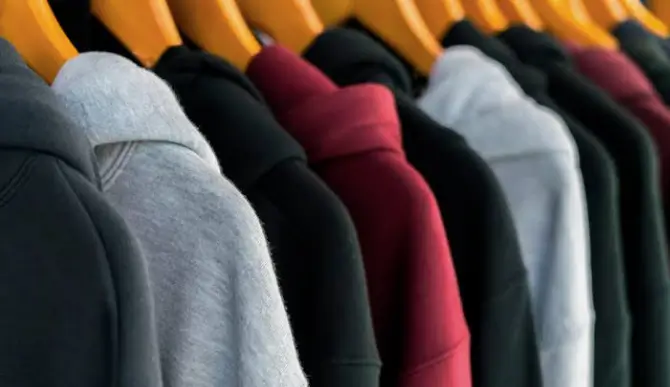
Running a company means watching overhead expenses while looking for ways to build visibility. When organizing an internal team summit or preparing promotional giveaways, outfitting hundreds of people gets tricky fast. Managing a massive garment purchase requires planning, solid numbers, and the right blanks. Sourcing Wholesale Sweatshirts early in your planning cycle gives your team breathing room, predictable pricing, and steady quality across every carton.
A large order should not turn into an administrative nightmare. Using bulk apparel channels simplifies purchasing, reduces shipping delays, and protects your bottom line.
Why Bulk Apparel Simplifies Company Logistics
Buying clothing off retail racks for a workforce or promotional campaign creates problems immediately. Retail stock levels fluctuate, prices stay high, and dye shades rarely match from one rack to the next.
Direct purchasing solves those headaches before they start. When you order wholesale sweatshirts from an established vendor, you pull inventory from one consistent factory run. That means the fabric weight, neck ribbing, and seam strength match across the entire shipment.
Standardizing your order also cuts administrative tasks in half. Instead of tracking multiple receipts and chasing mixed package deliveries, your procurement team handles a single commercial invoice.
Lowering Unit Costs Through Volume Buying
Every print project carries standard setup expenses. Screen printers charge for film positives, mesh burning, ink mixing, and press setup. When you print fifty garments, those fixed costs hit your unit price hard.
Spreading those baseline expenses over five hundred or a thousand units drops your cost per piece significantly. Wholesale distributors pass savings straight to buyers because shipping full cartons cuts their handling time.
That extra margin leaves room in your budget for better decoration techniques, such as high-density screen inks or detailed neck labeling.
Eliminating Dye Lot Inconsistencies
Color consistency matters when your team represents your brand in public. Retail stores mix stock from different seasons, which creates subtle shifts in fabric undertones.
A classic Black Sweatshirt must look identical whether worn by a warehouse supervisor or an executive at a trade show booth. Commercial lot ordering keeps the deep black tone, fleece brushing, and surface hand uniform across all sizes.
Uniform garments show attention to detail. That consistency sends a quiet message of reliability to your clients and partners.
Planning Size Breakdown and Inventory Distribution
A common misstep in large apparel orders is guessing the sizing breakdown. Ordering equal numbers of small, medium, large, and extra-large sizes leaves you with boxes of unsold stock and disappointed team members.
Understanding typical sizing curves keeps your capital working instead of sitting in storage bins.
Standard Distribution Curves for Corporate Teams
Most American workforces follow a standard sizing spread. In general, your order should lean heavily into large and extra-large options.
A dependable rule of thumb allocates ten percent to small, twenty-five percent to medium, thirty-five percent to large, twenty percent to extra-large, and ten percent to double extra-large.
Adjust these numbers slightly if your staff works primarily in field labor or office settings. Reviewing previous uniform sign-up sheets gives you the best historical baseline.
Handling Buffer Quantities
Always add five to seven percent to your total piece count. New hires start, guest speakers attend unexpected meetings, and occasional sizing exchanges happen on day one.
Having extra branded apparel stored neatly on your shelves saves you from placing expensive, small-batch rush reorders later.
Preparing Blanks for Custom Merchandise Printing
Choosing the right base garment makes all the difference for your decorator. Even the best print shop cannot fix poor fabric surfaces or loose knits.
Screen printing, direct-to-garment printing, and embroidery each interact with fleece in specific ways. Knowing your decoration method helps you select the right garment construction.
Screen Printing on Dense Fleece Surfaces
Screen printing remains the gold standard for high-volume promotional clothing. The process uses liquid ink pushed through woven mesh screens directly onto the outer fabric.
Tight, compact cotton faces give you sharp print lines and rich color opacity. Loosely knit polyester blends often cause ink to sink into the fleece, creating a faded look after one wash.
Talk with your decorator before placing your order. They can confirm whether your chosen wholesale sweatshirts work well with standard plastisol inks or lightweight water-based inks.
Preparing for Direct-to-Garment Technology
Direct-to-garment printing works like a giant inkjet printer for textiles. It handles full-color photographs and complex gradient art without separate screen setups.
This technology requires high cotton content on the garment face. When ink hits pure cotton fibers, it binds deeply and cures cleanly. Synthetic fibers repel water-based printhead inks, which leads to dull graphics.
If your promotional campaign features multi-color designs, look for blanks built with a dedicated one hundred percent combed cotton exterior.
See also: Building a Business That Customers Love
Managing Freight Timelines and Vendor Communication
Ordering bulk apparel requires realistic delivery schedules. Factory production, customs clearance, warehouse packing, and transit times all influence your delivery calendar.
Rushing an apparel order leads to expensive air freight surcharges and higher print error rates.
Building Realistic Lead Times
A successful company merchandise program starts at least six to eight weeks before the distribution date. That window allows two weeks for blank fulfillment, two weeks for decorating, and two weeks for packing and ground shipping.
Allowing extra time protects your team from supplier delays or weather interruptions.
Working with dependable blank apparel sources like simplstcapparel helps maintain reliable inventory checks and transparent shipping tracking throughout the production cycle.
Establishing Vendor Quality Checks
Inspect your blanks as soon as the delivery truck arrives. Check carton counts against the packing slip before signing the driver’s bill of lading.
Pull random samples from three different cartons. Check seam stitching along the shoulders, inspect collar tension, and verify that the inner size labels match your purchase order.
Catching an issue while garments are still blank allows your supplier to swap stock immediately. Once a decorator applies ink or thread to a garment, blank suppliers cannot accept returns.
Long-Term Benefits of Wholesale Sourcing
Sourcing wholesale sweatshirts transforms apparel procurement from a rushed chore into an organized company program. You gain direct control over unit costs, maintain strict fabric standards, and keep your workforce looking sharp.
Investing in sturdy bulk apparel sets up your custom merchandise for years of wear. High-quality fleece stays in personal wardrobes, giving your brand steady visibility long after the initial event ends.
Take time to evaluate fabric weights, review size curves, and work with dependable distributors. Smart procurement decisions today ensure that your wholesale sweatshirts arrive on schedule, fit your team properly, and represent your business with authority.