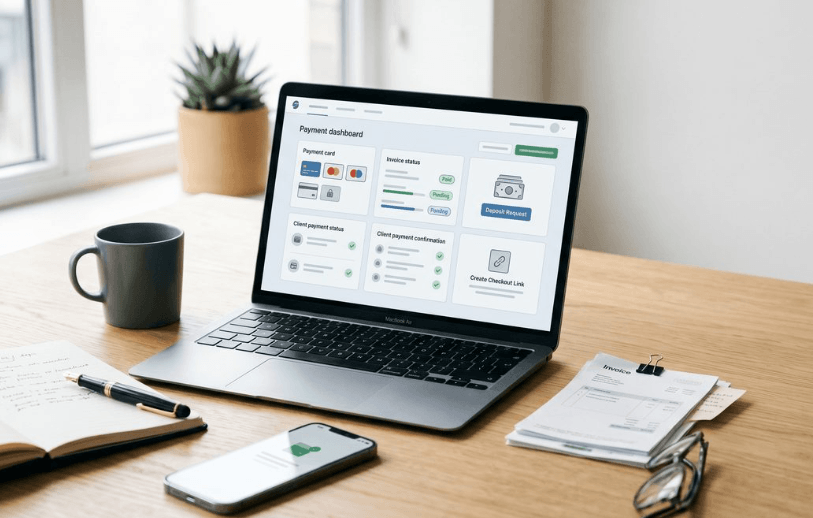
Onlink is a digital services platform designed to simplify how people discover, book, and manage a wide range of professional services. Acting as a centralized marketplace and management hub, onlink brings together customers and service providers freelancers, small businesses, and agencies under a single interface. The platform emphasizes ease of use, transparency, and efficiency so users can move from search to payment to completion without juggling multiple tools. As consumers increasingly expect fast, reliable solutions online, onlink positions itself as the bridge between demand and verified supply.
User Experience: Fast Discovery and Clear Choices
A standout feature of onlink is its streamlined discovery process. Users search with intuitive categories, smart filters, and keyword queries that return relevant profiles and service packages. Onlink’s recommendation engine factors in user preferences, past behavior, location, and provider ratings to surface suitable options quickly. Detailed profiles with portfolios, pricing ranges, and verified reviews help customers make informed choices without long back-and-forths. The result is a faster path from intent to booking, reducing friction and time spent comparing alternatives.
Provider Tools: Practical Solutions for Professionals
Onlink provides practical tools that help providers present services professionally and run operations more smoothly. Service creators can list detailed offerings, showcase past work, and set flexible availability using an integrated calendar. Built-in invoicing, earnings dashboards, and client management features let providers track income and client history in one place. Onlink also supports promotional tools discounts, featured listings, and targeted ads to help rising providers gain visibility. These capabilities let professionals focus on delivering quality work rather than administrative overhead.
Payments and Security: Confidence for Both Sides
Reliable payments and strong security are central to onlink’s value proposition. The platform supports common payment methods and offers protections such as escrow or milestone-based releases so clients pay only when work meets agreed standards. Providers benefit from timely payouts and transparent fee structures that avoid unexpected deductions. Onlink invests in identity verification and data protection to minimize fraud, and clear dispute-resolution policies give both parties a structured way to handle disagreements. This combination of safeguards builds trust and encourages repeat usage.
Communication: Clear Expectations and Fewer Disputes
Effective communication tools on onlink reduce misunderstanding and keep projects on track. The platform includes in-app messaging, file sharing, and automated reminders for appointments or deadlines. Structured booking flows capture essential details scope, deadlines, and deliverables so both parties agree on expectations before work begins. For higher-stakes engagements, onlink supports milestone approvals and progress updates to keep transparency throughout the job. These features lower the likelihood of disputes and make outcomes more predictable.
Quality Controls: Ratings, Verification, and Support
Maintaining service quality is a priority for onlink, and it uses layered controls to achieve that. New providers can undergo verification checks, upload credentials, and build portfolios that demonstrate competence. After each completed job, clients leave ratings and reviews that feed into provider rankings and search visibility. Onlink also offers responsive customer support and mediation services to address complaints or refund requests. By combining proactive verification with ongoing feedback, the platform encourages continuous improvement and helps users find dependable providers.
Customization and Integrations: Fit for Different Needs
Onlink recognizes that users range from individual consumers to growing businesses, so it offers customization and integrations to match varying workflows. Calendar sync, CRM connectors, and API access allow businesses to automate bookings and integrate onlink into existing systems. White-label options can help larger organizations present services under their brand while leveraging onlink’s backend. Smaller providers can adopt a simpler setup with only essential features, keeping costs manageable. This adaptability makes onlink practical for a broad set of use cases.
Marketplace Health: Balancing Supply and Demand
A successful marketplace depends on a healthy balance between demand and supply, and onlink actively manages both sides. The platform uses targeted onboarding campaigns to attract providers in high-demand categories while promoting services to customer segments most likely to convert. Dynamic pricing tools and promotional incentives help stabilize availability during peak times, and analytics highlight where geographic or category gaps exist. By monitoring these signals and adjusting marketing and fee strategies, onlink keeps the marketplace responsive and useful for users.
See also: Building a Business That Customers Love
Accessibility and Inclusion: Reaching More People
Onlink aims to be accessible to diverse user groups by offering features that lower barriers to use. Multilingual interfaces, accessible design choices, and tiered pricing models help reach users with different needs and budgets. The platform can highlight local and niche providers to support underserved communities or specialized services. By making the platform simple, inclusive, and affordable, onlink widens its potential user base and ensures more people can benefit from on-demand services.
Future Outlook: Evolving with Technology
Looking ahead, onlink plans to evolve through targeted innovation and partnerships. Enhancements may include AI-driven matching to improve recommendation accuracy, predictive scheduling to reduce no-shows, and richer media previews (video consultations or AR demos) to help clients evaluate services remotely. Strategic partnerships with payment processors, training providers, and logistics companies could extend onlink’s capabilities and streamline end-to-end service delivery. As the platform scales, balancing local relevance with global standards will be essential to maintain trust and performance.
Conclusion
Onlink offers a practical, user-focused approach to modern service marketplaces by combining streamlined discovery, solid provider tools, secure payments, and quality controls. Its design supports both one-time consumer needs and ongoing professional engagements, while customization and integrations let businesses adapt the platform to their workflows. With attention to accessibility and a roadmap that embraces new technology, onlink is positioned to make service procurement and delivery simpler, safer, and more efficient for users and providers alike.