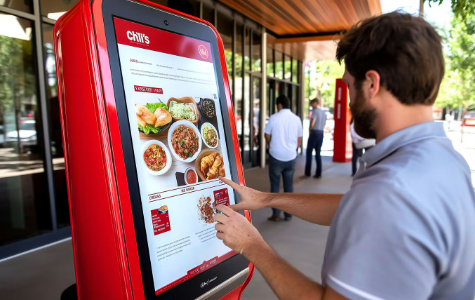
Walk into almost any modern fast-casual restaurant, quick-service chain, or even a full-service eatery, and chances are you’ll encounter a sleek, interactive screen inviting you to place your order. The restaurant kiosk has evolved from a novelty to a fundamental fixture of contemporary food service — and for good reason. It’s changing how restaurants operate and how customers experience dining from the moment they walk in the door.
What Is a Restaurant Kiosk?
A restaurant kiosk is a self-service digital ordering terminal installed within a dining establishment. These touchscreen interfaces allow customers to browse menus, customize their orders, apply promotions, and complete payment — all without waiting for a staff member to take their order. Modern kiosks are typically connected to the restaurant’s point-of-sale system and kitchen display, ensuring that orders flow seamlessly from customer to kitchen.
See also: Why Your Skincare Routine Needs a Body Scrub
The Business Case for Restaurant Kiosks
The adoption of kiosk technology is driven by several compelling business benefits:
Increased Average Order Value
Research consistently shows that customers ordering through kiosks tend to spend more than those ordering from a human cashier. This is partly because kiosks excel at upselling — they can suggest add-ons, combos, and upgrades at exactly the right moment in the ordering process, without the social awkwardness that sometimes accompanies human upselling attempts.
Labour Cost Optimization
While kiosks do not eliminate the need for staff, they allow restaurants to redeploy labour from order-taking to food preparation, service, and customer engagement. During peak hours, kiosks handle the order queue efficiently, reducing bottlenecks without requiring additional staffing.
Order Accuracy
Human error in order taking is a persistent operational challenge. Kiosks eliminate this problem entirely — what the customer selects is exactly what goes to the kitchen. This reduces remakes, food waste, and customer complaints.
Enhancing the Customer Experience
Beyond operational benefits, kiosks significantly improve the customer experience. Customers can browse the full menu at their own pace, view images and descriptions of each item, and make customizations without feeling rushed. For customers with dietary restrictions or language preferences, kiosks offer a stress-free way to ensure their order is exactly right.
If you’re a restaurant operator looking to implement smart technology solutions, exploring a dedicated platform for restaurant kiosk ordering can provide valuable insight into the features and integrations available to modern F&B operators.
Integration With Loyalty and Payment Systems
Modern restaurant kiosks don’t operate in isolation — they integrate with loyalty programs, mobile apps, and multiple payment methods. Customers can log in to access their rewards, redeem points, and pay through digital wallets or contactless cards. This seamless integration strengthens the relationship between the restaurant and its regulars.
FAQs
Q1: Are restaurant kiosks suitable for all types of dining establishments? Kiosks work particularly well in high-volume, quick-service, and fast-casual environments. They may be less suitable for fine dining settings where personalized service is central to the brand experience.
Q2: How long does it take to implement a restaurant kiosk system? Implementation timelines vary based on the complexity of the menu and integrations required. A straightforward deployment can be completed in a matter of weeks, while more complex integrations may take longer.
Q3: Can kiosks handle complex order customizations? Yes. Modern kiosk platforms are designed to handle multi-level customizations, from base item selection to modifiers, portion sizes, cooking preferences, and allergen requests.
Conclusion
The restaurant kiosk is no longer a futuristic concept — it’s a proven technology delivering measurable results for operators across the food service industry. By increasing order accuracy, boosting average spend, and creating a more satisfying customer experience, kiosk technology has earned its place as a core component of the modern restaurant. Whether you’re considering your first deployment or expanding an existing system, the investment in self-ordering technology consistently delivers strong returns.