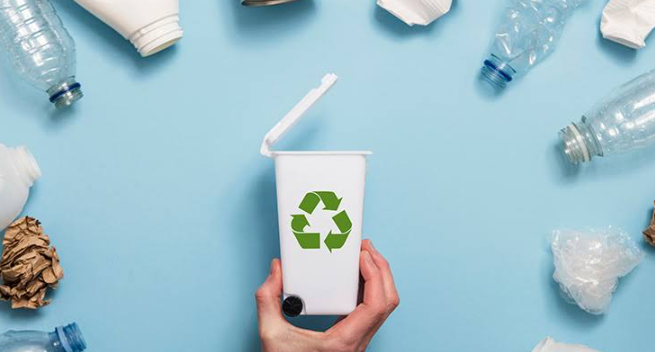
Packaging plays a vital role in protecting products, supporting efficient transportation, and creating a positive customer experience. While businesses have access to a wide range of packaging materials, plastic packaging continues to be one of the most practical and widely used options across numerous industries. Its lightweight nature, durability, affordability, and versatility make it suitable for products ranging from food and beverages to cosmetics, pharmaceuticals, and household goods.
Modern manufacturing has significantly improved the quality of plastic packaging, allowing businesses to choose containers that balance performance, appearance, and sustainability. Whether a company is focused on reducing shipping costs or improving product protection, plastic remains a reliable packaging solution that meets a variety of commercial needs.
Why Plastic Packaging Remains Popular
Every business has unique packaging requirements, but most share common priorities: protecting products, controlling costs, and delivering a positive customer experience.
Plastic packaging helps businesses achieve these goals by offering:
- Lightweight construction
- Excellent durability
- Cost-effective production
- Flexible design options
- Resistance to moisture
- Easy transportation
- Wide availability
These benefits make plastic suitable for businesses of all sizes, from startups to established manufacturers.
See also: The Impact of Technology on Modern Education
Lightweight Packaging Reduces Shipping Costs
Shipping expenses have become an important consideration for businesses selling products locally and internationally.
Because plastic is significantly lighter than materials such as glass or metal, it helps reduce transportation costs while making products easier to handle throughout the supply chain.
Additional advantages include:
- Lower freight expenses
- Easier warehouse handling
- Reduced fuel consumption during transport
- Improved efficiency for e-commerce businesses
Lightweight packaging benefits both manufacturers and consumers by improving convenience without sacrificing protection.
Strong Protection for Everyday Products
Although lightweight, plastic packaging is highly durable.
Many plastic containers resist:
- Cracking
- Impact damage
- Moisture
- Dust
- Minor handling accidents
This durability makes plastic especially valuable for products that travel long distances or require frequent handling before reaching customers.
Industries such as personal care, food production, healthcare, and cleaning products often rely on plastic packaging because it performs well under demanding conditions.
Flexible Design Options
One of plastic’s greatest advantages is its design flexibility.
Manufacturers can produce containers in various:
Shapes
Round, square, oval, and custom designs support different branding strategies.
Sizes
Plastic containers are available in capacities suitable for small samples as well as bulk storage.
Colors
Clear, white, black, and custom-colored packaging allows businesses to strengthen brand identity.
This flexibility enables companies to create packaging that is both functional and visually appealing.
Supporting Product Freshness
Packaging should help maintain product quality from manufacturing to final use.
Many plastic containers are designed with secure closures that reduce exposure to:
- Air
- Moisture
- Dust
- External contaminants
Combined with appropriate sealing systems, plastic packaging helps extend product usability across a wide range of consumer goods.
Cost-Effective for Growing Businesses
Budget considerations influence packaging decisions for nearly every business.
Plastic packaging offers an attractive balance between quality and affordability, making it an excellent option for companies seeking to scale production while managing operational costs.
Benefits include:
- Lower manufacturing costs
- Reduced transportation expenses
- Efficient large-scale production
- Wide availability of container options
These advantages allow businesses to invest in branding and product development while maintaining competitive pricing.
Suitable for Multiple Industries
Plastic packaging is used in countless industries because of its versatility.
Common applications include:
Food and Beverage
Dry foods, snacks, spices, sauces, and nutritional products are frequently packaged in plastic containers.
Cosmetics and Personal Care
Creams, lotions, powders, hair care products, and skincare items often rely on durable plastic packaging.
Healthcare
Supplements, vitamins, and pharmaceutical products commonly use plastic containers designed for safe storage.
Household Products
Cleaning supplies, pet care products, and home organization solutions also benefit from durable plastic packaging.
Its adaptability makes plastic one of the most widely used packaging materials worldwide.
Enhancing Brand Presentation
Packaging is often the first interaction customers have with a product.
Modern printing technologies allow businesses to create attractive labels, vibrant graphics, and professional branding that stand out on retail shelves.
Many companies invest in Custom Plastic Jars to combine practical storage with packaging that reflects their unique brand identity and improves customer recognition.
Well-designed packaging supports stronger brand awareness while encouraging repeat purchases.
Sustainability Is Driving Innovation
Although plastic has faced environmental challenges, significant progress has been made toward more sustainable packaging solutions.
Manufacturers increasingly offer:
- Recyclable plastics
- Lightweight packaging designs
- Reusable containers
- Reduced material usage
- Improved recycling compatibility
Businesses that choose responsible packaging practices can reduce waste while meeting growing consumer expectations for sustainability.
Companies such as King Custom Cones recognize the importance of combining functional packaging with evolving environmental standards to support long-term business success.
Frequently Asked Questions
Why is plastic packaging still widely used?
Plastic is lightweight, durable, affordable, and versatile, making it suitable for a wide range of industries and products.
Is plastic packaging suitable for food products?
Yes. Food-grade plastic packaging is commonly used to store and transport many food products safely when manufactured according to industry standards.
Can plastic packaging be recycled?
Many types of plastic packaging are recyclable, although recycling options depend on local facilities and the specific type of plastic used.
What industries benefit most from plastic packaging?
Food, cosmetics, healthcare, household goods, supplements, and consumer products all rely heavily on plastic packaging because of its flexibility and cost-effectiveness.
Conclusion
Plastic packaging continues to provide businesses with a practical balance of affordability, durability, and versatility. Its lightweight construction, protective qualities, and design flexibility make it a dependable choice for countless industries seeking efficient packaging solutions.
As packaging technology continues to evolve, businesses can benefit from modern plastic packaging options that improve product protection, strengthen branding, and support more sustainable manufacturing practices. Choosing the right packaging solution helps companies deliver products safely while meeting the expectations of today’s consumers.