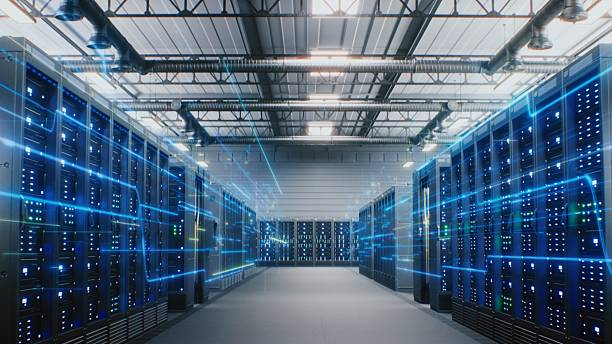
In today’s digital economy, businesses depend on technology to manage operations, store information, support communication, and deliver services. The performance and reliability of these systems rely heavily on the underlying infrastructure that powers them. Datacenter equipment serves as the foundation of modern IT environments, enabling organizations to process, store, secure, and transmit data efficiently. From servers and storage systems to networking hardware and power management solutions, datacenter equipment plays a critical role in ensuring business continuity and operational reliability. Understanding how these components work together can help organizations build resilient and scalable IT infrastructures capable of supporting evolving business needs.
Understanding Datacenter Equipment
Datacenter equipment refers to the hardware and infrastructure components used to support data processing, storage, networking, and system management within a data center environment.
Common types of datacenter equipment include:
- Servers
- Storage systems
- Network switches
- Routers
- Firewalls
- Backup systems
- Power distribution units
- Cooling systems
- Rack infrastructure
- Monitoring and management tools
Each component serves a specific function that contributes to the overall performance and reliability of IT operations.
Why Reliable IT Infrastructure Matters
Reliable IT infrastructure is essential for maintaining business operations and minimizing disruptions.
A dependable infrastructure helps organizations:
- Ensure continuous access to critical applications
- Protect valuable data
- Improve operational efficiency
- Support business growth
- Enhance customer experiences
- Reduce downtime risks
As organizations become increasingly dependent on technology, maintaining reliable infrastructure becomes a strategic priority.
The Role of Datacenter Equipment in IT Reliability
Supporting Continuous Operations
Modern organizations often operate around the clock, making system availability a critical requirement.
Datacenter equipment helps ensure:
- Consistent performance
- High system uptime
- Stable application delivery
- Reliable data access
When properly configured and maintained, these systems provide the foundation for uninterrupted business operations.
Enabling Scalability
Business needs change over time, and IT environments must adapt accordingly.
Scalable datacenter infrastructure allows organizations to:
- Add computing resources
- Expand storage capacity
- Increase network bandwidth
- Support growing workloads
This flexibility helps businesses respond efficiently to changing demands.
Servers: The Core of IT Infrastructure
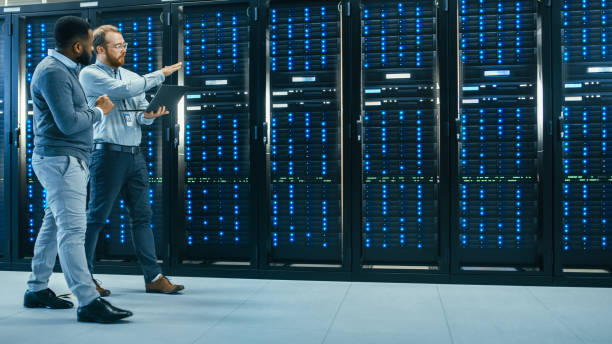
Servers are among the most important components within a data center.
What Servers Do
Servers process requests, run applications, manage databases, and deliver services to users across an organization.
Common server functions include:
- Hosting applications
- Managing email systems
- Supporting websites
- Running virtual machines
- Processing business transactions
Without reliable servers, many essential business functions would be unavailable.
Improving Reliability Through Redundancy
Organizations often deploy multiple servers to reduce the impact of hardware failures.
Benefits of redundancy include:
- Reduced downtime
- Improved availability
- Faster recovery from failures
- Enhanced performance distribution
Redundant server environments help ensure continuous access to critical systems.
Storage Systems and Data Availability
Data is one of the most valuable assets organizations manage.
The Importance of Reliable Storage
Storage systems provide secure locations for:
- Business records
- Customer information
- Databases
- Application data
- Backups
Reliable storage infrastructure ensures information remains accessible when needed.
Protecting Against Data Loss
Modern storage solutions often include:
- Data replication
- Backup integration
- Fault tolerance
- Automated recovery capabilities
These features help protect organizations from data loss and service interruptions.
Networking Equipment and Connectivity
Networking infrastructure connects systems, applications, and users throughout the organization.
Essential Networking Components
Key networking equipment includes:
- Switches
- Routers
- Firewalls
- Load balancers
These technologies facilitate communication between devices while maintaining security and performance.
Ensuring Reliable Data Transmission
Reliable networking equipment helps:
- Reduce latency
- Prevent connectivity issues
- Optimize traffic flow
- Support application performance
Strong network infrastructure is essential for maintaining smooth business operations.
Power Infrastructure and System Stability
Power reliability is a critical factor in data center performance.
The Risks of Power Disruptions
Unexpected power failures can cause:
- System outages
- Data corruption
- Hardware damage
- Operational downtime
Reliable power infrastructure helps minimize these risks.
Key Power Components
Datacenter environments often utilize:
- Uninterruptible power supplies
- Backup generators
- Power distribution units
- Electrical monitoring systems
These components help maintain system availability during power-related events.
Cooling Systems and Equipment Protection
Technology equipment generates significant amounts of heat during operation.
Why Cooling Matters
Excessive heat can lead to:
- Reduced performance
- Hardware failures
- Shortened equipment lifespan
- Increased maintenance costs
Effective cooling systems help maintain optimal operating conditions.
Cooling Infrastructure Components
Common cooling solutions include:
- Air conditioning systems
- Precision cooling units
- Airflow management systems
- Environmental monitoring tools
Proper cooling contributes directly to system reliability and longevity.
Security and Risk Management
Reliable IT infrastructure must also be secure.
Physical Security Measures
Datacenter facilities often implement:
- Access controls
- Surveillance systems
- Visitor management procedures
- Secure equipment enclosures
These measures help protect critical infrastructure from unauthorized access.
Network Security Solutions
Security-focused datacenter equipment includes:
- Firewalls
- Intrusion detection systems
- Network monitoring platforms
- Access management solutions
Together, these technologies help safeguard sensitive information and critical systems.
Monitoring and Infrastructure Management
The Importance of Continuous Monitoring
Monitoring tools provide visibility into system performance and operational health.
Organizations can track:
- Server performance
- Network activity
- Storage utilization
- Power consumption
- Environmental conditions
Early detection of issues allows teams to address problems before they impact operations.
Supporting Proactive Maintenance
Monitoring solutions help organizations:
- Identify performance bottlenecks
- Predict hardware failures
- Optimize resource usage
- Improve operational efficiency
Proactive management reduces the likelihood of unexpected disruptions.
Datacenter Equipment and Business Continuity
Business continuity planning focuses on maintaining operations during unexpected events.
Supporting Disaster Recovery
Reliable infrastructure includes systems designed to support recovery efforts.
Examples include:
- Backup servers
- Replicated storage
- Redundant networking
- Failover systems
These resources help organizations recover quickly from disruptions.
Minimizing Downtime
By incorporating resilient datacenter equipment into infrastructure strategies, organizations can reduce downtime and maintain critical services during emergencies.
Best Practices for Managing Datacenter Equipment
Perform Regular Maintenance
Routine inspections and maintenance help ensure equipment continues operating efficiently.
Monitor Equipment Performance
Continuous monitoring enables early detection of issues and supports informed decision-making.
Plan for Scalability
Organizations should anticipate future growth and ensure infrastructure can expand as needed.
Maintain Redundancy
Redundant systems help protect against failures and improve overall reliability.
Update Aging Infrastructure
Replacing outdated equipment helps improve performance, security, and operational efficiency.
The Future of Datacenter Equipment
As technology continues to evolve, datacenter infrastructure is becoming more advanced, efficient, and adaptable.
Emerging trends include:
- Increased automation
- Artificial intelligence-driven monitoring
- Energy-efficient hardware
- Advanced cooling technologies
- Edge computing integration
These innovations will help organizations improve reliability, reduce costs, and support increasingly complex workloads.
See also: Building a Business That Customers Love
Conclusion
Datacenter equipment plays a fundamental role in supporting reliable IT infrastructure by providing the computing power, storage capacity, networking capabilities, security controls, and environmental management necessary for modern business operations. From ensuring system availability and protecting valuable data to supporting scalability and disaster recovery, these critical components form the backbone of organizational technology environments. By investing in reliable equipment, implementing proactive maintenance practices, and planning for future growth, organizations can build resilient infrastructures that support long-term operational success and business continuity.