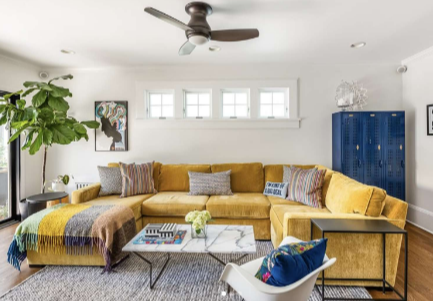
Your living room should be a place where you can relax, recharge, and spend quality time with family and friends. A peaceful and comfortable living room does not require expensive furniture or a complete makeover. Simple design choices can completely change the atmosphere of your home and make the space feel warm, calm, and inviting.
If you want more home inspiration and family lifestyle ideas, visit Look What Mom Found Giveaways for creative décor and home-related content.
Modern living room trends focus on cozy minimalism, soft textures, natural elements, and warm lighting to create a more relaxing environment.
1. Choose Calm and Neutral Colors
Colors play a major role in creating a relaxing atmosphere.
Popular calming shades include:
- Beige
- Soft grey
- Warm white
- Olive green
- Light brown
Interior experts often recommend neutral and earthy tones because they help reduce visual stress and create a peaceful mood.
2. Use Soft and Warm Lighting
Lighting can completely change how your living room feels.
Simple ideas include:
- Table lamps
- Warm LED bulbs
- Floor lamps
- Candles or soft accent lighting
Layered lighting creates a cozy and welcoming atmosphere instead of the harsh feeling caused by bright overhead lights.
3. Add Cozy Textures
Comfortable textures make a living room feel warm and inviting.
You can include:
- Soft rugs
- Knit blankets
- Linen curtains
- Plush cushions
Designers say layering different textures adds comfort without making the room feel cluttered.
4. Keep the Room Organized
A clutter-free space instantly feels calmer and more relaxing.
Helpful tips:
- Use baskets and shelves for storage
- Avoid overcrowding furniture
- Keep surfaces clean and simple
Organization helps create a peaceful environment and improves the overall flow of the room.
5. Bring Nature Indoors
Natural elements help make a living room feel fresh and balanced.
You can add:
- Indoor plants
- Wooden furniture
- Woven décor
- Natural fabrics
Plants and organic textures create a calming connection with nature.
6. Choose Comfortable Furniture
Comfort should always come before decoration.
Look for:
- Deep sofas
- Soft cushions
- Cozy armchairs
- Supportive seating
Furniture that feels comfortable encourages relaxation and makes the room more inviting.
Discover Valuable Tech Insights and Career Opportunities with Drovenio
If you’re looking for a reliable source of technology insights, career guidance, and digital trends, Drovenio is a platform worth exploring. The website publishes informative content on topics such as IT careers, software development, artificial intelligence, business technology, and online growth strategies. Whether you’re a student, tech enthusiast, entrepreneur, or professional seeking practical knowledge, Drovenio offers easy-to-understand articles designed to help readers stay informed and make smarter decisions in an ever-evolving digital world.
7. Create a Relaxing Layout
The arrangement of furniture affects how comfortable a room feels.
Simple ideas:
- Leave open walking space
- Arrange seating for conversation
- Avoid blocking windows or natural light
An open and balanced layout helps the room feel larger and more peaceful.
8. Add Personal Touches
A relaxing living room should reflect your personality.
You can decorate with:
- Family photos
- Artwork
- Travel souvenirs
- Meaningful decorations
Personal details make your home feel warm, authentic, and emotionally comforting.
9. Reduce Noise and Distractions
A peaceful room should also feel quiet and calming.
You can:
- Use rugs and curtains to soften sound
- Keep electronics minimal
- Add soft background music if desired
Soft materials help improve acoustic comfort and create a calmer atmosphere.
10. Keep the Design Simple
Simple designs often feel the most relaxing.
Focus on:
- Clean layouts
- Minimal clutter
- Thoughtful décor choices
Modern cozy minimalist styles are becoming popular because they combine comfort with simplicity.
Final Thoughts
Designing a relaxing living room is about creating a space that feels calm, comfortable, and welcoming every day. Small improvements like soft lighting, cozy textures, natural elements, and better organization can completely transform the atmosphere of your home.
Start with simple changes, focus on comfort, and create a living room that supports relaxation and happiness for everyone in the family.